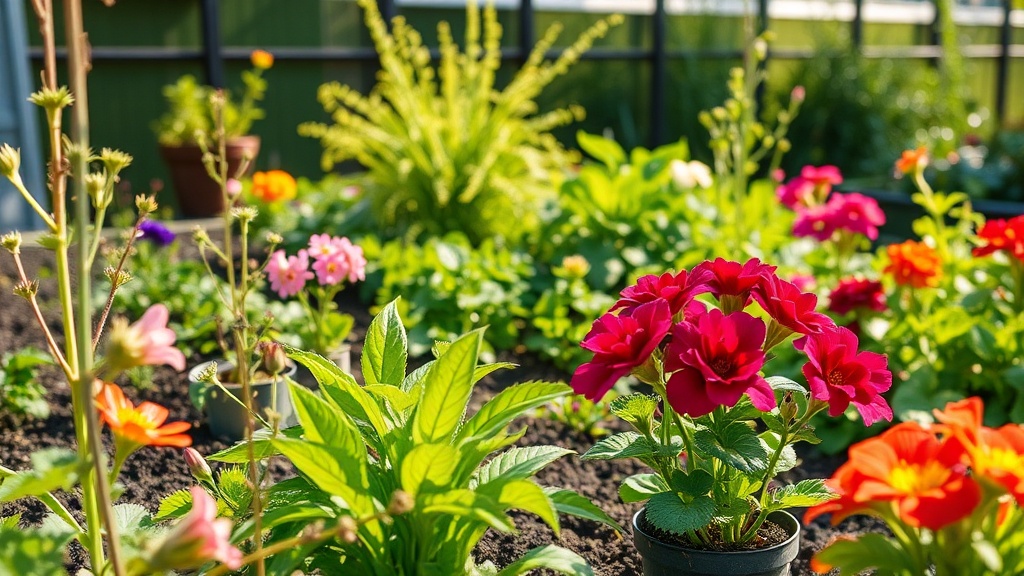
Cultivating a Thriving Garden in Napanee: A Practical Guide for Green Thumbs

How do you prepare your garden soil for success in Napanee?
Starting a garden in Napanee offers immense rewards, from fresh produce to a beautiful outdoor space. This guide will walk you through the practical steps to establish and maintain a vibrant garden, tailored to our local conditions and climate. You'll learn how to assess and amend your soil, select appropriate plants, and manage common challenges, ensuring your efforts yield flourishing results.
The foundation of any successful garden lies beneath the surface: your soil. Napanee's soil can vary significantly, often leaning towards clay-heavy in some areas or sandy in others. Understanding your specific soil type is the first step. You can perform a simple jar test by mixing soil with water in a clear jar and observing the layers that settle, or opt for a more precise soil test kit available at local garden centers. These tests provide insights into pH levels and nutrient deficiencies.
Once you know your soil's composition, you can begin amending it. For clay soils, incorporating organic matter like compost, aged manure, or peat moss improves drainage and aeration. Sandy soils benefit from organic matter too, as it helps retain moisture and nutrients. Aim for a rich, loamy texture—soil that crumbles easily in your hand. This balance allows roots to spread freely and access essential resources. Many Napanee gardeners find consistent additions of compost each season keep their beds productive. Don't forget to work these amendments into the top 6-12 inches of soil, giving new roots ample space to grow.
What plants thrive in Napanee's climate and growing season?
Choosing the right plants for our region is key. Napanee falls within USDA Hardiness Zone 5b, meaning we experience cold winters and warm, humid summers. This climate dictates which vegetables, fruits, and ornamentals will flourish. Focus on varieties known to perform well in shorter growing seasons and capable of handling temperature fluctuations. Look for seed packets or plant tags that specify 'Zone 5' compatibility.
For vegetables, consider cool-season crops like lettuce, spinach, radishes, and peas for early spring and late fall plantings. Warm-season favorites such as tomatoes, peppers, squash, and beans do exceptionally well through our summers, provided they get enough sun and water. Starting some seeds indoors, particularly tomatoes and peppers, can give them a head start and extend your harvest period. Local nurseries often stock varieties specifically chosen for their resilience in the Napanee area, making them an excellent resource for plant selection.
When it comes to perennial flowers and shrubs, look for native species or those proven to tolerate our local conditions. Coneflowers, hostas, daylilies, and various ornamental grasses are reliable choices that add beauty without excessive maintenance. Visiting local gardens and talking to experienced gardeners can provide invaluable insights into what works best in your specific neighborhood.
How can you protect your Napanee garden from common pests and diseases?
Even the most meticulously planned garden can encounter uninvited guests. Integrated Pest Management (IPM) is a sustainable approach that minimizes reliance on chemical interventions. Start by promoting a healthy ecosystem in your garden. Encourage beneficial insects like ladybugs and lacewings by planting flowers such as dill, parsley, and cosmos. These insects prey on common pests like aphids.
Regular garden inspection is crucial. Early detection allows for non-chemical interventions, like hand-picking larger pests or using a strong stream of water to dislodge smaller ones. Row covers can protect young seedlings from insect damage, and proper plant spacing improves air circulation, reducing fungal diseases. If you identify a pest problem, consider organic solutions such as neem oil or insecticidal soaps before resorting to synthetic pesticides.
Crop rotation is another powerful tool. Avoid planting the same vegetables in the same spot year after year, as this can deplete soil nutrients and allow disease pathogens to build up. Rotating crops helps break disease cycles and maintains soil health. For more detailed information on specific pests and diseases common to Ontario, the